
We specialize in providing full-service dental care to your children
✅ Accepting New Patients
⭐ 5‑Star Rated
🏥 Most Insurance Accepted
Our Services
Comprehensive Pediatric Dental Care
From your child’s first dental visit to advanced treatments, we provide everything your family needs in a caring, kid-friendly environment.
Dental Radiographs (X-rays)
Radiographs (x-rays) are a vital and necessary part of your child’s dental diagnostic process. Without them, certain dental conditions can and will be missed.
Emergencies
Clean the area of the tooth. Rinse the mouth thoroughly with warm water or use dental floss to dislodge any food that may be impacted. If the pain still exists, contact our office.
I V Sedation
I V Sedation is recommended for apprehensive children, very young children, and children with special needs that would not work well under nitrous oxide/oxygen sedation.
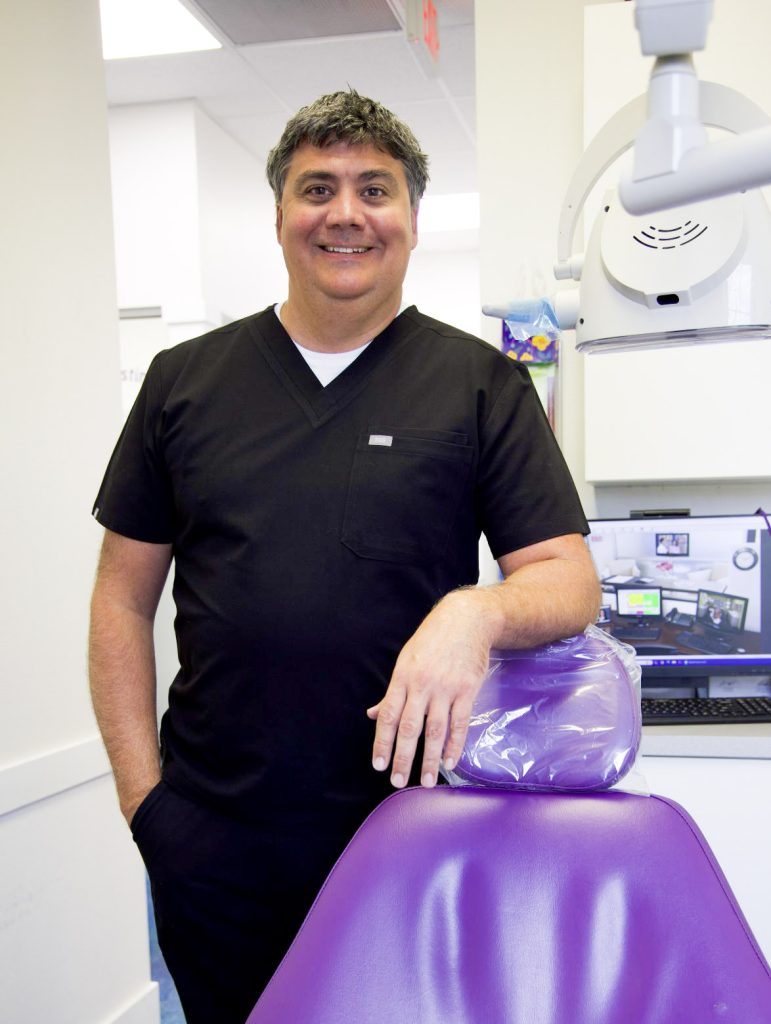
About Our Doctor
Meet Dr. Teddy
Teddy R. Bland Jr. was born and raised in Lake County Florida. He attended Florida State University earning his Bachelor of Science Degree in Family and Child Sciences with special focus in Child Development. He continued his education at the University of Florida, College of Dentistry, earning a Doctoral of Dental Medicine degree in 2005. Dr. Teddy then completed two years at the University of Texas Health Science Center at Houston Dental Branch, where he earned a Master of Science in Oral Health and obtained his Certification of Training in Pediatric Dentistry in 2007.
Why Choose Us
The Mid-Florida Pediatric Dentistry Advantage

Child Development Expert
Dr. Bland brings unique expertise in understanding and communicating with children of all ages.

Modern Technology
Digital X-rays, laser dentistry, and the latest equipment ensure safer, faster, and more comfortable treatments for your child.

Kid-Friendly Environment
Our office is designed to help children feel comfortable and safe, making dental visits something they look forward to.

Comprehensive Care
From infancy through early adult years, we provide full-service dental care including preventive, restorative, and sedation services.
Fun Facts
Healthy Smile Tips for Kids from Pierre!

Brush 2x a Day for 2 Minutes
Don’t forget the fronts, backs, and tops of every tooth — and replace your toothbrush every 3 months!

Snack Smart
Apples, carrots, and celery can help scrub away plaque naturally — making them a great choice for healthy smiles.
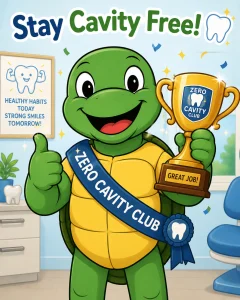
Stay Cavity Free
Tooth decay is one of the most common childhood diseases, which is why healthy brushing habits are so important! Building good habits early can help protect your child’s smile for years to come and may even earn them a spot in our Zero Cavity Club!
Testimonials
What Parents Say About Us
See why families in Tavares and Lake County trust Mid-Florida Pediatric Dentistry for their children’s dental care.
FAQs
Frequently Asked Questions
Have questions about your child’s dental care? We have answers.
Your Child’s First Dental Visit
Our offices, as well as The American Academy of Pediatrics (AAP), the American Dental Association (ADA) and the American Academy of Pediatric Dentistry (AAPD) all recommend establishing a “Dental Home” for your child by one year of age or 6 months after the first tooth is visible.
Informing your child of their upcoming visit should always be done in a positive manner. It is best if you refrain from using words around your child that might cause unnecessary fear, such as “needle”, “shot”, “pull”, “drill” or “hurt”. Our office makes a practice of using words that mean the same things but are pleasant and non-frightening to your child.
We invite you to stay with your child during all dental appointments, some parents are comfortable with this relationship and some parents prefer to allow their children to go back by themselves. We leave that decision up to you!
Eruption of Your Child’s Teeth
Children’s teeth begin forming before birth in the second trimester. As early as 4 months old, your child’s first primary (baby) teeth begin to erupt through the gums. The first teeth generally seen are the lower central incisors, followed closely by the upper central incisors. All 20 primary teeth usually appear by age 3, although the pace and order of eruption vary.
Permanent teeth begin appearing around age 6, starting with the first molars and lower central incisors. This process continues until approximately age 21.
How Do I Prevent Cavities in My Child’s Teeth?
1. ORAL HYGIENE: Good oral hygiene removes bacteria and food particles that combine to create cavities. For infants, use a wet gauze or clean washcloth to wipe the plaque from your child’s teeth and gums. Avoid putting your child to bed with a bottle filled with anything other than water.
For all children, we recommend brushing their teeth at least twice a day with a fluoride toothpaste, or a Nanohydroxyapatite paste if avoiding fluoride, and flossing at least once daily.
2. GOOD DIET: Healthy eating habits lead to healthy teeth. Like the rest of the body, the teeth, bones and the soft tissues of the mouth need a well-balanced diet. Children should eat a variety of foods from the five major food groups. Most snacks that children eat can lead to cavity formation. The more frequently a child snacks, the greater the chance for tooth decay. How long food remains in the mouth also plays a role. For example, hard candy and breath mints stay in the mouth a long time, which cause longer acid attacks on the tooth enamel. If your child must snack, choose nutritious foods such as vegetables, low-fat yogurt and low-fat cheese, which are healthier and better for children’s teeth.
3. DENTAL VISITS: The American Academy of Pediatric Dentistry recommends visits every six months to the pediatric dentist, beginning at your child’s first birthday. These visits are very important and will prevent small issues from turning into larger problems such as toothaches, loss of teeth.
What Are Sealants?
A sealant is a white, tooth colored, material that is applied to the chewing surfaces (grooves) of the back teeth (premolars and molars), where four out of five cavities in children are found. The sealant acts as a barrier to the food, plaque and acid, thus protecting the decay prone areas of the teeth.
What Is Pulp Therapy?
The pulp of a tooth is the inner central core of the tooth. The pulp contains nerves, blood vessels, connective tissue and reparative cells. The purpose of the pulp therapy is to maintain the vitality of the affected tooth so the tooth is not lost.
Dental caries (cavities) and traumatic injury are the main reasons for a tooth to require pulp therapy. The two most common forms of pulp therapy in children’s teeth are the pulpotomy or pulpectomy.
A pulpotomy removes the diseased pulp tissue within the crown portion of the tooth, the portion above the gums. Next, an agent is placed to prevent bacterial growth and to calm the remaining nerve tissue. This is followed by a final restoration such as a stainless steel crown or ceramic crown.
A pulpectomy is required when the entire pulp is involved (into the root canals of the tooth, the portion of the tooth below the gums). During this treatment, the diseased pulp tissue is completely removed from the tooth. The canals are cleansed, disinfected and filled with a resorbable material. Then, a stainless steel or ceramic crown is placed.
What Is A Stainless Steel Crown?
A stainless steel crown covers the whole tooth. This is indicated when decay has destroyed a large portion of the tooth, or a pulpectomy/pulpotomy has been done. This helps to support the remaining tooth structure and allows the baby tooth to stay in the mouth and keep the space for the permanent tooth to erupt. The stainless steel crown should last until the tooth comes out naturally.
Is there another option?
Yes, we do have ceramic crowns used for specific situations.
What Material Is Used For Fillings?
Resin (tooth-colored) fillings are recommended to restore the portion of your child’s tooth that has been destroyed by decay and/or fractured in trauma. Resin is the best restorative (filling) material for your child, as it actually bonds to the tooth and allows a more conservative, and cosmetic restoration.
Why Is Space Maintenance Important?
If your child loses a primary tooth due to trauma or decay earlier than normal, keeping that space open for the permanent tooth is extremely important. The placement of a space maintainer will steady the remaining teeth and allow the permanent tooth to come into natural position.
Why are Primary (Baby) Teeth Important?
It is very important to maintain the health of the primary teeth. Cavities that have been neglected can and frequently do lead to problems, which affect developing permanent teeth. Primary teeth, or baby teeth are important for:
- Proper chewing
- Providing space for the permanent teeth and guiding them into the correct position
- Permitting normal development of the jaw bones and muscles.
Primary teeth also affect the development of speech and add to an attractive appearance. While the front 4 teeth last until 6-7 years of age, the back teeth (cuspids and molars) aren’t replaced until age 10-13.
Will My Child Need To See An Orthodontist?
Developing malocclusions, or bad bites, can be recognized as early as 2-3 years of age. Often, early steps can be taken to reduce the need for major orthodontics treatment at a later age.
STAGE 1 – Early Treatment: This period of treatment encompasses ages 2 to 6 years. At this young age, we are concerned with underdeveloped dental arches, the premature loss of primary teeth, and harmful habits such as finger or thumb sucking. Treatment initiated in this stage of development is often very successful and many times, though not always, can eliminate the need for future orthodontic/orthopedic treatment.
STAGE II – Mixed Dentition: This period covers the ages of 6 to 12 years, with the eruption of the permanent incisor (front) teeth and 6 year old molars. Treatment concerns deal with jaw mal-relationships and dental re-alignment problems. This is an excellent stage to start treatment, when indicated, as your child’s hard and soft tissues are usually very responsive to orthodontic or orthopedic forces.
STAGE III – Adolescent dentition: This stage deals with the permanent teeth and the development of the final bite relationship.